Is Bathtub Refinishing Worth It in Portland, OR?

Find out if Tub Refinishing is Worth It in Portland, OR

Quick Summary: Whether refinishing is worth it depends on your tub's current condition, how long you plan to stay in the home, and what problem you're trying to solve. A solid tub with surface damage is a great candidate. A cracked or structurally weak tub usually needs repair first.

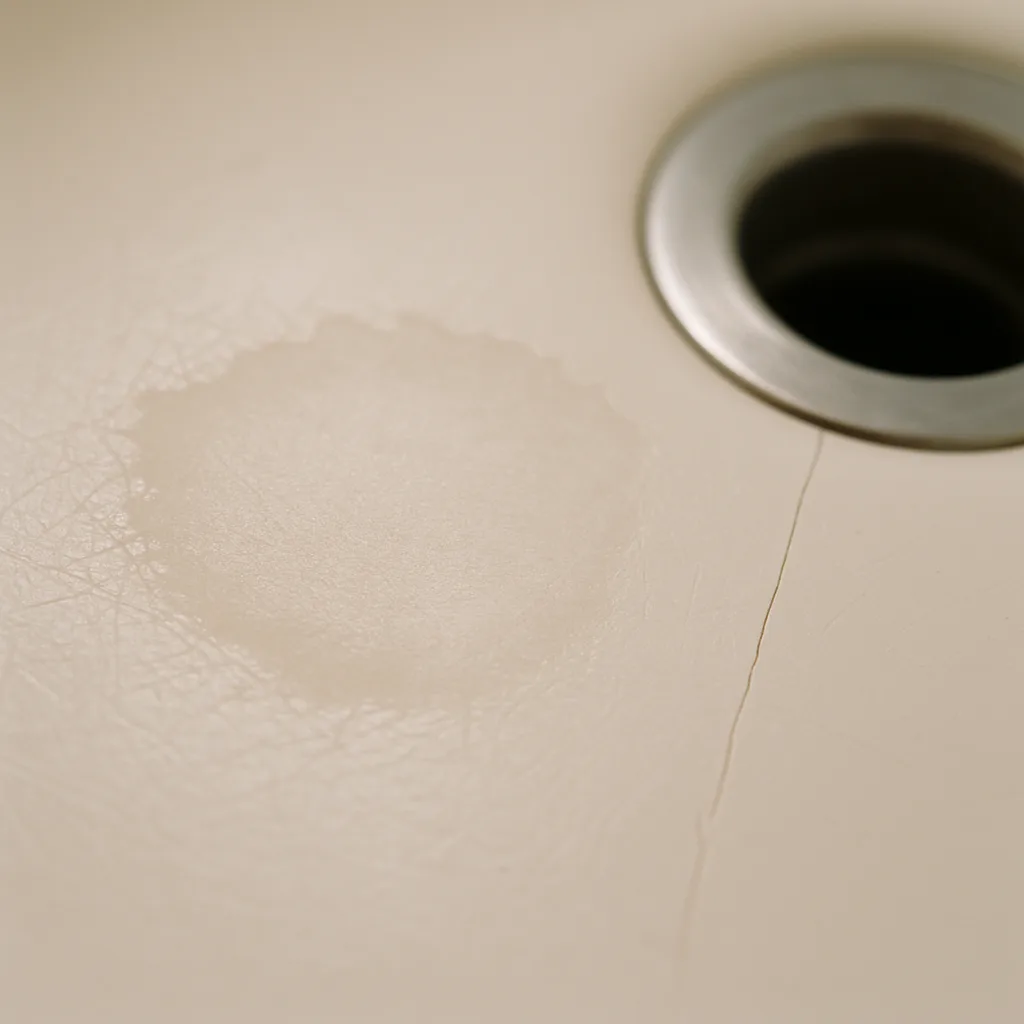
Close-up of bathtub surface wear versus crack damage in Portland home

What 'Worth It' Really Depends On

So, is bathtub refinishing worth it for your Portland home? Honestly, it depends on a few things. We ask homeowners the same handful of questions every time we walk into a bathroom. Your answers usually tell us right away if refinishing is the smart move.

Or if something else needs attention first.

Here's what matters when you're weighing this decision:

  • The current condition of the tub surface, including chips, stains, or rust. Most of these can be repaired by our techs but some are beyond repairs and need to be replaced.
  • The age and material of the tub. Cast iron and fiberglass age differently and require different refinishing techniques.
  • How many more years you plan to live in the home.
  • What you're really trying to fix. Looks, leaks, slipperiness, or both?
  • Any signs of structural damage below the surface, not just cosmetic wear.

Condition matters more than anything else on that list. A tub with surface scratches and old stains is a perfect candidate. But a tub with deep cracks or soft spots underneath needs a closer look before anyone applies a new finish.

We worked on a home near downtown Milwaukie in 1996 with a cast iron tub from the 1960s. It had rust rings and a dull, worn finish, but the structure underneath was rock solid. That's the textbook case where refinishing makes sense. The homeowner got decades of extra life out of a tub she was ready to move on from.

A tub that's cracked all the way through needs repair before it needs a fresh coat of paint.

Your timeline matters too. If you're staying put for years, refinishing gives you a durable surface that holds up under daily use. And if you're getting ready to sell, a refreshed tub can make the whole bathroom feel newer without a full tear out. Either way, it's about matching the fix to your actual goals, not just picking the first option you find online.

Not sure which category your tub falls into? That's exactly what a free estimate is for. We'll take a look, tell you straight what we see, and back the work with our 100% Satisfaction Guarantee. You can learn more about how the process works on our refinishing process page.

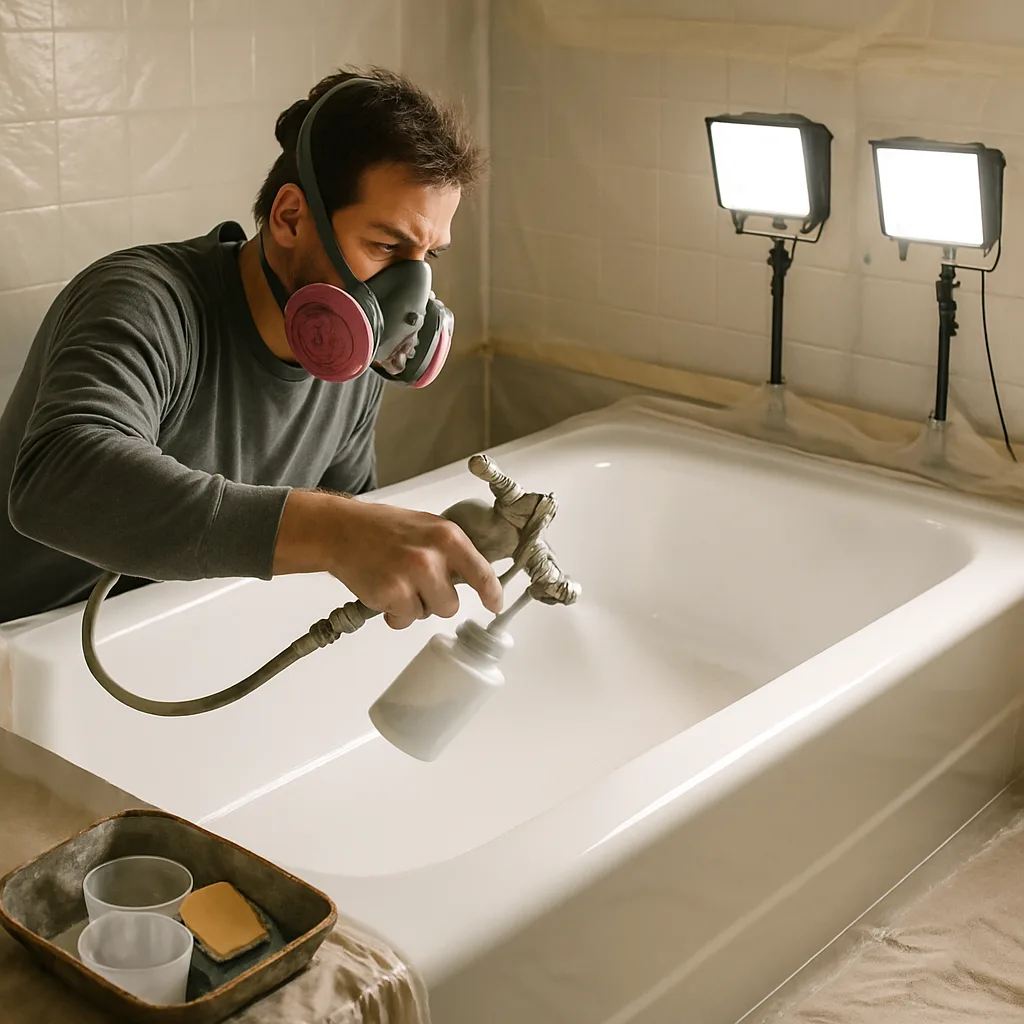
Technician refinishing bathtub surface with epoxy coating in Portland bathroom

Bathtub Refinishing Pros and Cons You Should Weigh

Every tub is different, so the honest answer is: refinishing works great for some situations and isn't the right fit for others. We've refinished tubs that looked hopeless and came out looking almost new. We've also told homeowners it wasn't the right move for their specific problem. That's the kind of straight talk you deserve before spending any money.

Let's start with the good stuff. Refinishing costs a fraction of a full tub overhaul, and it skips the mess of tearing out tile and plumbing. Most jobs finish in a day, sometimes two. You get a smooth, glossy surface that looks brand new, and it holds up for years when it's done right. Homeowners in older Portland houses love this option because it works on the original tub, the one that fits the bathroom's plumbing and layout. It's an affordable alternative for sure.

But refinishing isn't magic. It's a surface treatment, not a structural fix.

  • It won't repair a tub with a big structural crack that goes all the way through.
  • The new surface needs some care; avoid harsh scrubbing pads and certain cleaners.
  • If the underlying tub has rot or serious damage, refinishing just covers a bigger problem.
  • Color matching can be tricky if you're trying to match tile or fixtures exactly. But we can usually get pretty close.
  • If your tub has been refinished poorly before, it will need to be stripped before we proceed with a new refinishing process.

So how do you know which side of the list your tub falls on? Ask yourself if the damage is on the surface - chips, stains, dullness, small cracks - or if it's something deeper, like soft spots in the floor of the tub. Surface issues are exactly what refinishing was built for. Deeper structural issues need a different approach, and a good technician will tell you that upfront instead of taking your money for a job that won't last.

Here's a scenario we run into a lot. A homeowner from Raleigh Hills calls about a stained, dull tub they're embarrassed to show guests. We take a look, the tub is solid, just worn out on the surface. That's a textbook refinishing job, and the homeowner ends up thrilled with the result. Compare that to a tub in Montavilla with water damage soaking into the subfloor. That situation needs repair work first, refinishing alone won't solve it.

If you want to see real examples of what refinishing can and can't fix, take a look at our main bathtub refinishing service page for a closer look at how the process works, what results you can expect, pricing and before and after images.

We always offer a free estimate before any work starts, and every job comes with our 100% Satisfaction Guarantee. That way you're not guessing, you know exactly what you're getting into.

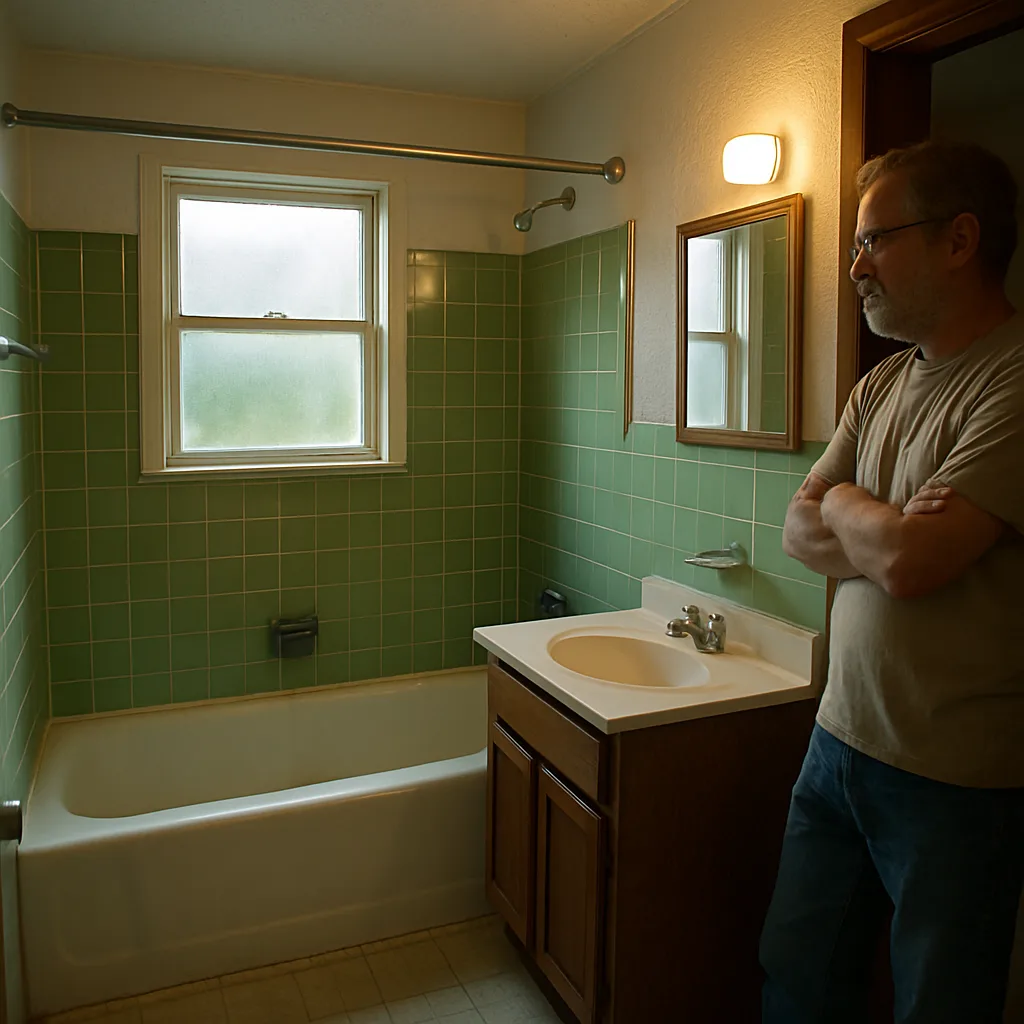
Homeowner considering bathtub refinishing options in older Portland home bathroom

Refinish, Repair, or Replace: Matching the Fix to Your Actual Problem

Here's where a lot of homeowners get stuck. You've got a chip, a stain, or a crack, and you don't know if that's a quick fix or a sign of something bigger. So which is it? The answer depends on what's wrong, not just what it looks like on the surface.

We see this mistake all the time: someone assumes a small chip means the whole tub is failing, then they spend money tearing out something that only needed a small repair. Or they assume a small chip is nothing, while it is slowly allowing water to leak underneath, rotting out the subfloor.

Here's what to look for and our response:

  • Small chips, cracks, or worn spots on an otherwise solid tub usually call for Chip and Crack Repair or Porcelain Tub Repair, not a full refinish.
  • Dull color, surface stains, or overall wear across the whole tub is a classic sign that Bathtub Refinishing is the right move.
  • Rust spots or hard water staining that keep coming back often point to Rust & Stain Removal paired with a fresh refinish coat.
  • Fiberglass tubs with holes, deep scratches, or a soft spongy floor need Fiberglass Tub Repair before any cosmetic work happens.
  • Structural issues like a shifting tub, leaking plumbing behind the wall, or rot in the subfloor mean refinishing won't solve the real problem and replacement is the best solution.

That last point matters a lot. Refinishing makes an old tub look and feel like new again, but it can't fix what's happening underneath. If your tub flexes when you step in it, or you notice soft flooring nearby, that's a plumbing or structural issue. No amount of coating solves that.

Many older homes in Portland still have their original cast iron or steel tubs from decades back. These tubs are usually built strong, the surface just wears out over time. That's good news, because it means the tub itself is often fine, it just needs new life on top.

So how do you know for sure which category you're in?

A quick way to check: press gently around the tub edges and floor. Solid and stable means you're likely a good refinishing candidate. Any give, sponginess, or movement means you need a closer look before anyone touches the surface.

This is exactly why we offer a free estimate before any work starts. We take a look, tell you whether refinishing makes sense or whether repair work needs to happen first, and we stand behind the job with our 100% Satisfaction Guarantee either way.

The Pros of Refinishing Your Bathtub in Portland

  1. It's a more affordable option than replacing the bathtub by $1000's
  2. It can give your bathtub a new lease on life
  3. It can improve the appearance of your bathroom for just a few hundred dollars
  4. It can make your bathtub more sanitary and easy to clean and maintain

The Cons of Refinishing Your Bathtub

  1. It can be a messy and time-consuming project if you choose the wrong refinisher.
  2. It may not be as durable as a new bathtub.
  3. There can be unpleasant odors from the products used. Renew-It uses a professional ventilation system to remove fumes from the home.
  4. A refinished tub can peel over time if not done correctly.

Is it worth it to Refinish Your Bathtub?

Whether or not it's worth it to refinish your bathtub depends on a number of factors, including the condition of your bathtub and your budget. If your bathtub is in good overall condition, you may be able to refinish it for a fraction of the cost of replacing it. It typically costs $3000 - $5000 to replace a bathtub and surround whereas refinishing costs $500 - $1500 for a tub or $800 - $2000 for a tub and surround. However, if your bathtub is badly damaged or you just want a new bathtub, refinishing may not be the best option.

Here are some things to consider when deciding whether or not to refinish your bathtub:

  1. The condition of your bathtub. If your bathtub is badly damaged, refinishing may not be a viable option.
  2. Your budget. Refinishing a bathtub is a more affordable option than replacing it, but it still costs money.
  3. The look you want. Refinishing your bathtub can give it a like new look, but it's important to choose a color that you like. And remember that refinishing will not change the style of your bathtub like buying a new one might.
  4. Compare the cost to resurface your tub verses replacing it.

If you decide to refinish your bathtub, here are some tips to keep in mind:

  1. Do your research. There are a number of different refinishing products on the market and local refinishing services, so it's important to do your research and choose one that's right for your bathtub.
  2. Allow the surface to properly cure for the recommended time to prevent premature failure.
  3. Use the recommended cleaning products to prevent damage to the surface. 
  4. Do not allow standing water on refinished surfaces for extended periods of time.

Refinishing your bathtub can be a great way to give it a new lease on life. However, it's important to weigh the pros and cons before deciding if it's worth it.

Frequently Asked Questions

Common questions about whether Bathtub Refinishing Is Worth It Or Not? What to Know Before You Decide

A refinished tub typically holds up for many years if not decades when the prep work is done right. How long it lasts depends on the product used and how you care for it afterward. Avoid harsh scrubbing pads and strong cleaners to protect the new surface. Homes near downtown Portland with older cast iron tubs often get great results because the base material is so solid. If you want specifics for your own tub, our bathtub refinishing service page walks through what to expect.

Call a professional for a lasting result, because refinishing needs proper prep, ventilation, and specific products. DIY kits often look fine at first, but the coating can peel or bubble within months without the right surface work. A pro also checks for hidden cracks or soft spots before applying anything, something a kit from the store can't catch. If you're unsure whether your tub is a good candidate, a free estimate gives you a straight answer first.

The biggest misconception is that any chip or crack means the whole tub needs replacing. Most surface damage, like stains, dullness, or small chips, is exactly what refinishing was built to fix. Deeper issues, such as soft spots in the tub floor, need repair first, but that's not the same as full replacement. Assuming the worst can lead to a costly tear-out when a simple refinish would have solved the problem just fine.

Yes, many older Portland homes have cast iron tubs from decades past, and these often make great candidates for refinishing. The material holds up well over time, even when the surface looks rough with rust or dullness. We've worked on tubs near downtown Portland built in the 1960s that still had solid structure underneath years of wear. Newer builds sometimes have fiberglass tubs, which age differently and may need a repair check first.

You can usually tell by checking if the damage sits on top of the surface or underneath it. Chips, stains, rust rings, and dullness are surface issues that refinishing handles well. Soft spots or cracks that go all the way through point to structural damage needing repair first. Press gently on different spots in the tub floor; any give or flex is a sign of something deeper below the finish.

Sometimes, but it depends on how the earlier job was done. If the old finish wasn't prepped correctly, a new coat can bubble, peel, or fail to bond right away. A technician needs to check the existing surface before applying anything new, and in most cases the old finish has to be stripped first. This is one reason a professional look matters, especially when you're unsure about your tub's history.

Now You Know! Bathtub Refinishing In Portland Is Typically Worth It

FREE ESTIMATE. 100% ZERO-RISK SATISFACTION GUARANTEE.