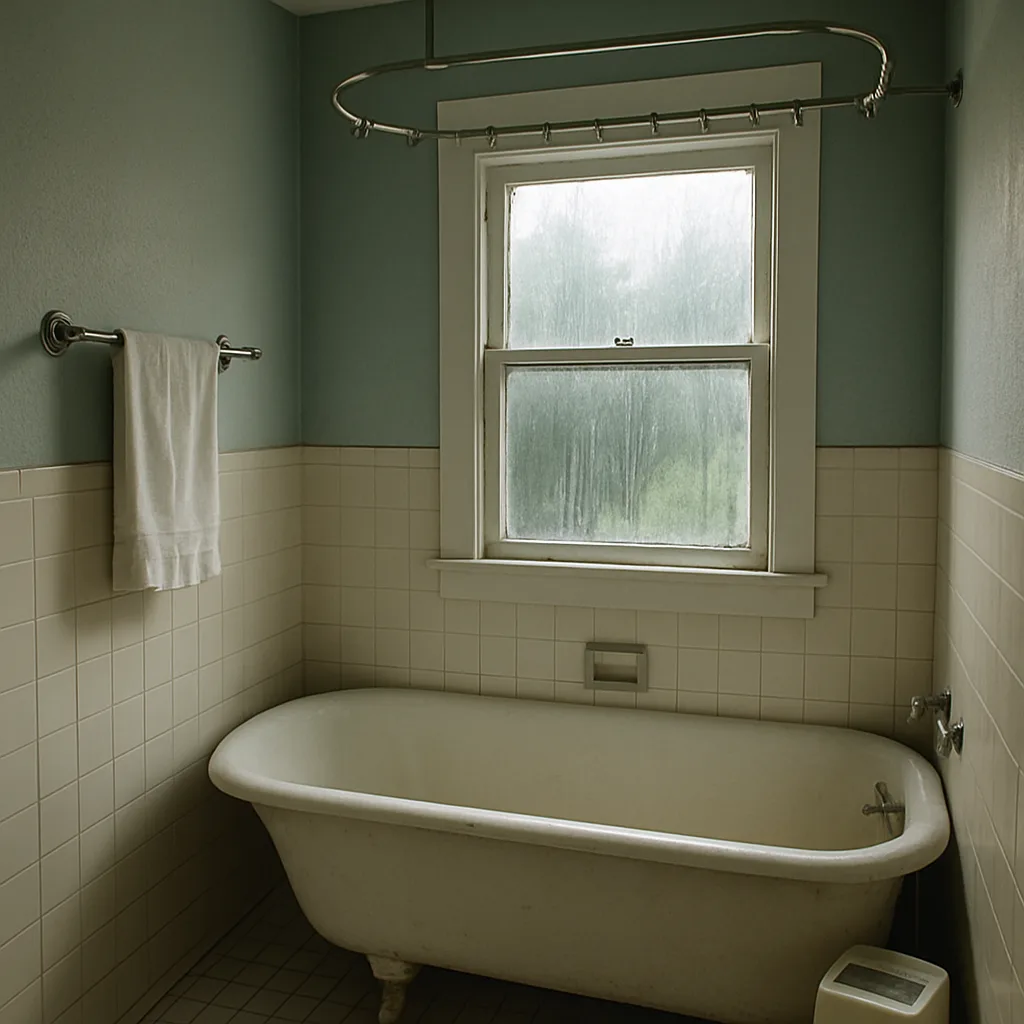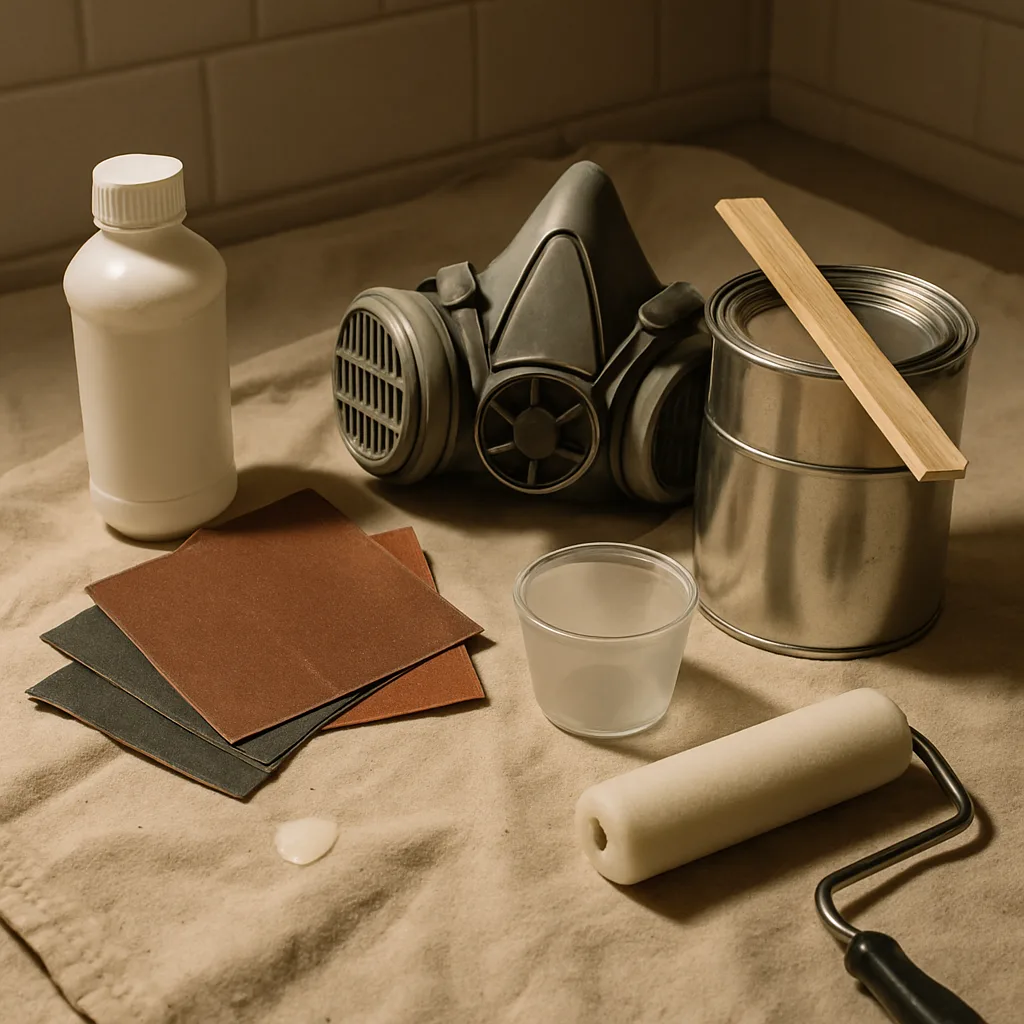
Quick Summary: Can you refinish a bathtub yourself? Kits promise it's possible. But it means stripping, sanding, patching, and applying a coating just right. Small mistakes are hard to fix, often meaning you start over.
Bathtub refinishing sounds simple on the box. Clean, sand, spray, done. But real refinishing work has more steps than most kits let on. And each one matters more than you’d think.
Here's what it involves:
That last step trips up a lot of homeowners, we hear it all the time. Someone jumps in the shower a few hours early. Then the finish never fully hardens. Once that happens, the coating peels. And you're back to square one.
Ventilation is another thing people underestimate. The fumes from bonding agents and topcoats are strong. You need real airflow, not just a cracked window. Older homes near downtown Portland - with smaller bathrooms and no exhaust fan - make this part especially tricky. If the tub has old cast iron or a rough porcelain surface underneath, prep work takes even longer than the kit instructions suggest.
Here's the honest part. A DIY job can look decent for a few months. Then it starts showing wear where water pools or where the coating didn't bond evenly. That's usually a prep problem, not a product problem.
This is where knowing the difference between a weekend project and a lasting fix really pays off. We offer free estimates and back every job with a 100% Satisfaction Guarantee. You know exactly what you're getting before any work starts.
Walk into any hardware store in Portland and you'll find bathtub refinishing kits. They sit there on a shelf, promising a fresh tub in a weekend. But what's inside the box matters a lot. Most kits look simple, the results rarely are.
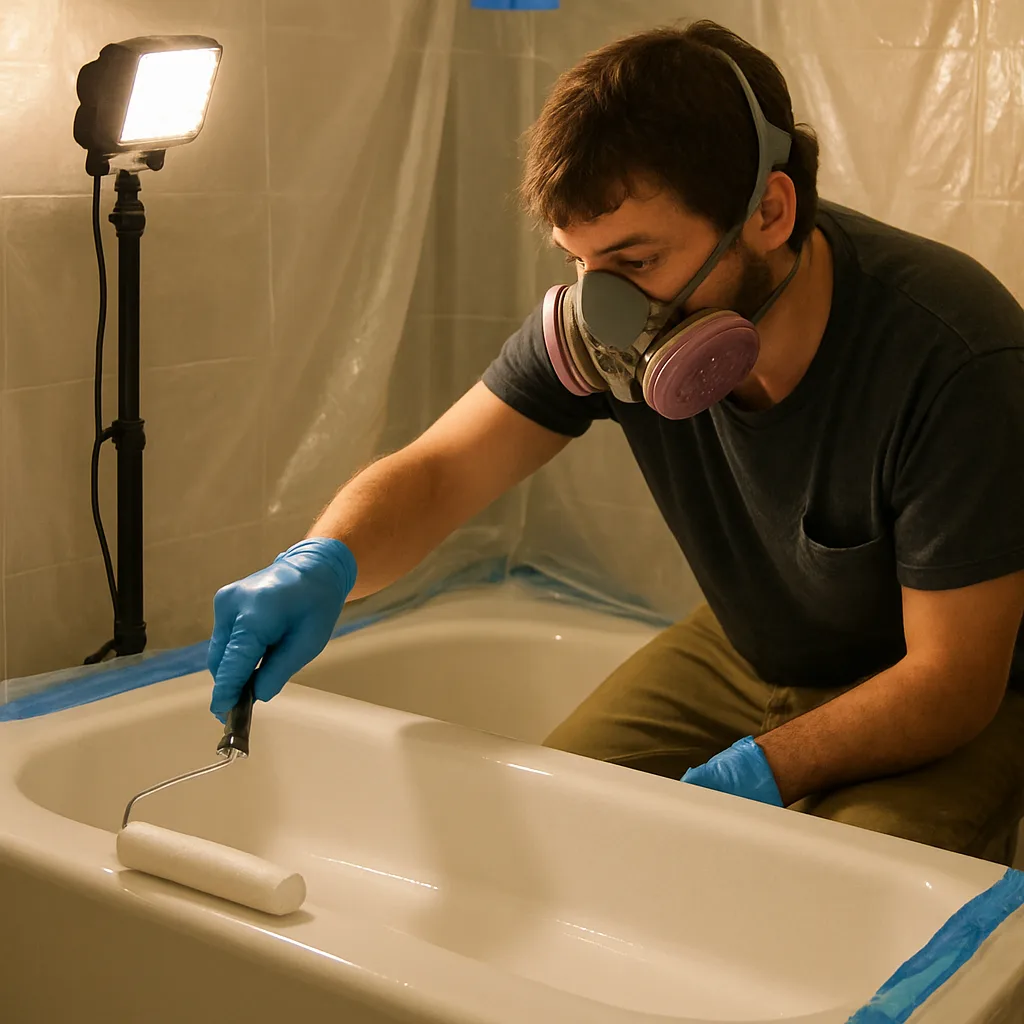
A standard kit usually includes a few core items. These are meant to clean, prep, and coat your tub surface.
Here's what you'll typically find:
That mask matters more than most people realize. The fumes from these coatings are strong. Mixing epoxy in a small bathroom with no fan running isn't something you want to do casually. We've talked to plenty of homeowners who tried it. They ended up with a headache and a half-finished tub.
Here's the catch with most kits. The coating is thinner and less durable than what a trained pro uses. It's built for convenience, not longevity. And the instructions rarely tell you how sensitive the timing is between coats.
Temperature and humidity change everything. A cool, damp bathroom in Portland during the fall or winter can slow curing way down. Or cause the finish to stay tacky longer than the box says. We see this mistake all the time. Someone rushes the second coat because the directions said two hours, but the room was too cold for the first coat to fully set.
So what happens when a DIY coating doesn't bond right? It peels, bubbles, or chips within months instead of lasting for years. That's the real gap between a kit and a professional job. Not just the tools, but the surface prep, spray equipment, and coating grade behind it.
If you're weighing your options, it helps to see what a trained job involves before you commit to a kit. You can learn more about the process, materials, and results on our bathtub refinishing service page, where we break down how a lasting finish gets done right the first time.
A DIY kit can work for a small touch-up on a low-traffic tub. But for a full refinish meant to hold up under daily use, it's a tougher ask than the box lets on.
Not all tubs are built the same, and that's the part most DIY videos skip. A kit that works fine on one material can flake off another within weeks. So before you buy anything, figure out what your tub is made of. It changes everything about how the job goes.
Here's what to look for:
Here's what we see all the time. A homeowner buys a kit made for porcelain, but their tub is fiberglass underneath years of old paint. The new coating goes on fine at first. Then it starts peeling at the drain and the corners within a few months, right where water sits longest.
Cast iron and porcelain give you the most forgiving surface for a DIY attempt. They're rigid, so coatings don't flex and crack the way they can on fiberglass or acrylic. But even these need the surface etched properly, or the new finish just sits on top instead of bonding.
Fiberglass is the tricky one.
It moves a little every time someone stands in it. Most DIY paints just aren't flexible enough to handle that movement over time. This is why fiberglass tub refinishing done right often uses different prep steps and coating types than what you'd use on a porcelain tub. Skip that step, and you'll likely see cracking follow the same stress lines the tub naturally flexes along.
Not sure what your tub is made of? A quick way to check: tap it gently. Porcelain and cast iron sound solid and heavy. Fiberglass and acrylic sound hollow and lighter. Or just look underneath if you can access the plumbing side, the material is usually obvious there.
Your tub's material tells you a lot. Porcelain and cast iron tubs are more forgiving because they're rigid and hold coatings well. Fiberglass and acrylic tubs are trickier since they flex or resist bonding, causing cracks or peeling within a year. If your tub has chips, rust, or old damage, a basic kit won't fix that first. Knowing your tub's material before you buy anything saves you time and a wasted weekend.
The biggest mistake is not letting the coating cure long enough before using the tub. Kits often need 24 to 72 hours of dry time, but many people jump in the shower early. Once water touches an uncured finish, it never fully hardens and starts peeling soon after. This is a prep and timing problem, not a product flaw. Giving the coating full time to set is one of the easiest ways to avoid a redo.
Yes, cooler and damp conditions common in Portland's fall and winter months can slow curing time way down. A coating that's supposed to set in two hours might stay tacky much longer in a cold, humid bathroom. This causes homeowners to rush the next coat before the first one is ready. Older homes near downtown Portland with small bathrooms and no exhaust fan make ventilation and curing even harder to control.
Call a professional once your tub has visible chips, rust, or you need it to hold up to daily family use for years, not months. DIY kits use thinner coatings built for convenience, not long-term durability. If your bathroom lacks good airflow or your tub is fiberglass with tricky flex points, a trained job avoids the peeling and bubbling that shows up later.
If you want a hassle-free, high-quality, long-lasting result without gambling a weekend on it, hiring a professional like Renew-It Refinishing in Portland, OR is usually the better call. A few reasons homeowners choose us: expert craftsmanship from technicians with years of experience, high-quality materials built for durability, a quick turnaround that minimizes disruption to your home, and a focus on customer satisfaction on every job. Our bathtub refinishing service page walks through what a lasting, properly bonded finish involves.
Fiberglass tubs flex slightly every time you step in, which stresses a coating that isn't built to move with it. Porcelain and cast iron tubs are rigid, so a coating stays put once it bonds. Coatings that don't flex on fiberglass tend to crack along stress points, often near the drain or corners, within a year or two. Knowing your tub's material before buying a kit helps you avoid a coating that's mismatched from the start.
A DIY job can look good for a few months before wear shows up where water pools or the coating didn't bond evenly. That delayed failure is usually a prep problem, not just a product problem. Skipped sanding, uneven primer, or rushed curing all show up later, not right away.
Product grade plays a role too. Professional tub refinishers in Portland, OR typically use commercial-grade coatings built to withstand heavy use and harsh chemicals, while DIY kits are made for occasional, lighter-duty application. That gap in durability is why a DIY job that looked great at first often starts peeling or cracking within a year, while a properly prepped, professional-grade finish holds up far longer.
Yes, you can refinish a bathtub by yourself. With the right products and a bit of patience, it's achievable. However, it's crucial to follow the manufacturer's instructions carefully and prepare the surface properly. Any mistakes or shortcuts could lead to a subpar finish or even damage to your tub.
Initially, DIY tub refinishing might seem like a cost-effective solution. You'll only need to purchase the necessary supplies, which typically cost between $35 and $100. However, consider the potential cost of mistakes. If you don't achieve the results you wanted, you may need to hire a professional to fix the issue, which can end up costing more than hiring a pro from the start.
While DIY projects can save time in certain situations, tub refinishing requires careful preparation and precise application. It's a time-consuming process that demands attention to detail. If you're not experienced with this type of work, it could take longer than expected. Renew-It Refinishing is usually able to refinish a tub in about 4 hours. Because of the steep learning curve, a DIY project can take days to properly prepare and refinish, often with less than ideal results.
Likely not! Here's why. Professional tub refinishers have the experience and expertise to achieve a high-quality, durable finish that looks and feels almost like a new bathtub.
DIY kits can be effective, but may not provide the same level of craftsmanship. Uneven application, improper curing, and the wrong product choice can all affect the final appearance. A DIY job will likely look better than an old, damaged tub, but it usually won't match a professional result.
You can find DIY tub refinishing kits at various home improvement stores in Portland, OR. It's worth choosing a reputable brand and reading reviews first, since some kits are much easier to use than others. Whatever you choose, follow all the directions, ventilate the room well to the outside, and wear a proper respirator to avoid any negative effects from the refinishing products.
The lifespan of a DIY tub refinishing job depends on factors like surface prep, product quality, application technique, and regular maintenance. A typical DIY refinish lasts anywhere from 1 month to 3 years. It may hold up for a couple of years with care, but it's likely to need touch-ups or a full redo sooner than a professionally refinished tub.
FREE ESTIMATE. 100% ZERO-RISK SATISFACTION GUARANTEE.