Can You Get Lead Poisoning From Your Bathtub in Portland OR?

We've had many parents call us asking for our help. Their pediatrician informed them that their beloved children had high levels of lead in their blood. The main culprit, the old cast iron clawfoot bathtub that the kids love bathing in. Worried your old bathtub could expose your family to lead? Many cast iron tubs in older Milwaukie and Portland-area homes have lead in their glaze, but the real risk comes from worn, chipped, or chalky surfaces. This guide shows you how to check your tub's condition, when to test, and who's most at risk.

The good news: you usually don't need a costly tear-out. Renew-It Refinishing repairs the damage and seals old glaze under a fresh, durable coating, so your family can bathe safely again without a messy, expensive remodel. We specialize in bathtub refinishing in Portland OR.

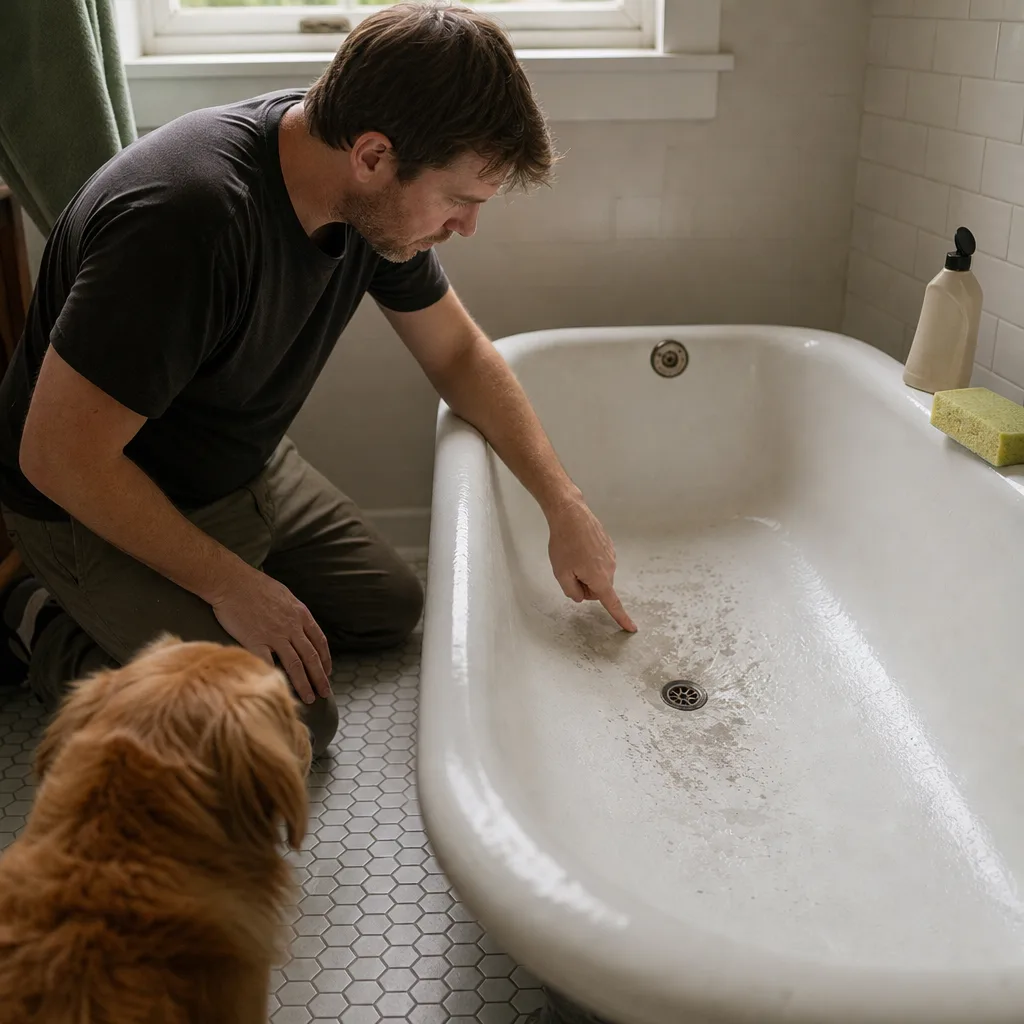
checking bathtub for lead poisoning risk in Portland OR

The Real Question Isn't Lead—It's Surface Condition

An old tub with lead in its glaze or porcelain is mostly a problem when that surface starts to break down. A smooth, glossy, intact surface may keep lead locked in place. So the smartest thing you can do is check your tub's surface condition.

Here's what most people miss. Plenty of older cast iron tubs have some lead in the enamel. That part is true. But lead sealed under a hard, glassy glaze isn't sitting on the surface waiting to rub off on you. The trouble starts when that glaze wears thin, cracks, or turns rough and dull.

So instead of asking whether your tub has lead, ask a better question. What shape is the surface in?

We work in a lot of older homes around Portland, especially in Ardenwald, Nob Hill, Irvington, Eastmoreland and many others in Historic Portland. Many were built between the 1920s and 1960s, and a lot of them still have the original tub. Some of those tubs look great after 70 years. Others are worn down to bare, gritty spots where decades of scrubbing took the shine off. Same era, same material, totally different risk.

Not sure which one you've got? Run your hand across the bottom and sides. Then look closely in good light. These are the signs we look for first:

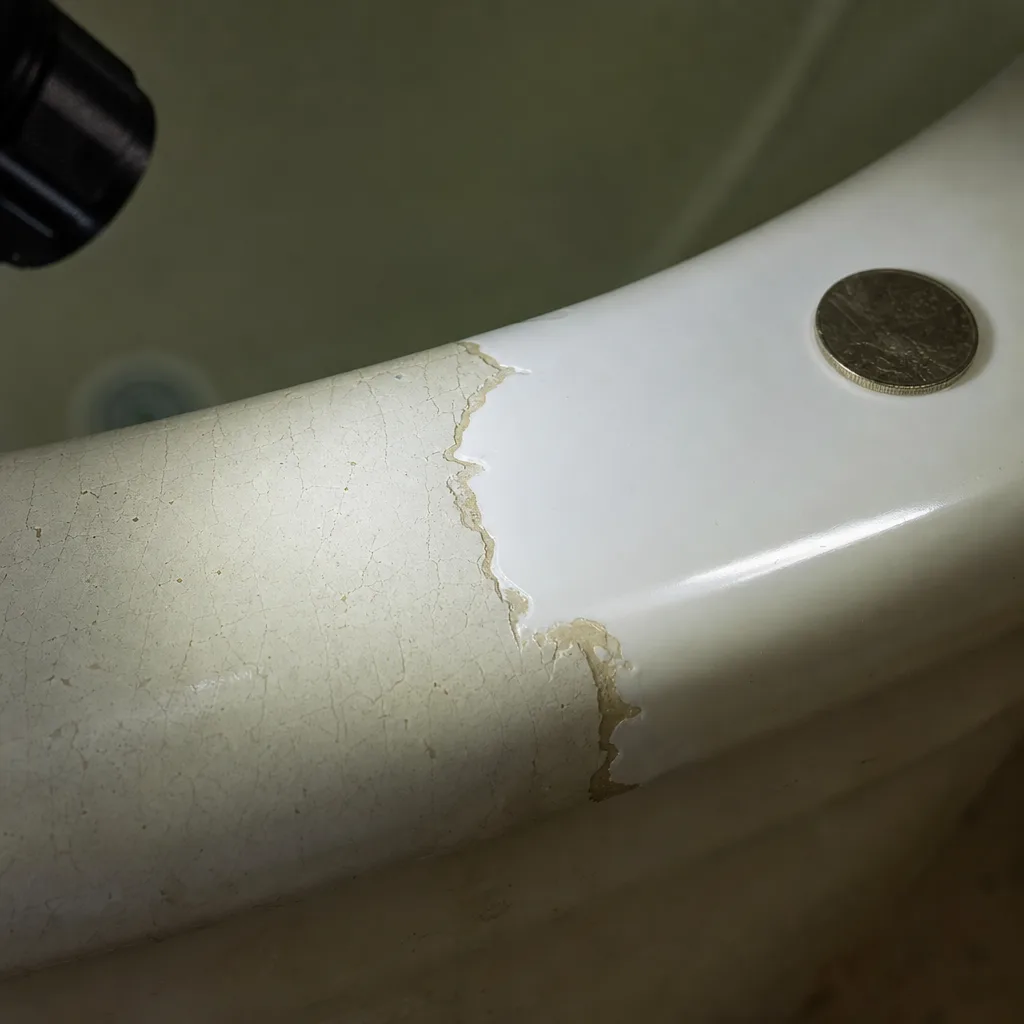
  • Chalky or dull patches that feel rough instead of slick
  • Chips where you can see dark cast iron underneath
  • Fine cracks or crazing (a web of tiny hairline cracks) spreading across the glaze
  • Rust stains around the drain or under the faucet
  • Worn spots where the tub bottom looks almost sanded

If your tub has none of these, that's good news. A glossy, smooth finish is doing its job. If you spot one or two, don't panic—it just means the surface needs attention soon.

And harsh cleaners make it worse. We see this all the time. A homeowner scrubs a stained tub with abrasive powder every week for years, and the glaze gets thinner each time. Then they call us wondering why the tub feels like sandpaper.

One Milwaukie family we helped had a 1940s tub with a worn, chalky bottom. They bathed their toddler in it nightly. They'd picked up a lead test kit from the hardware store, and it showed a positive result on the rough spot. Scary moment. But the fix wasn't ripping out the tub. We did chip and crack repair on the damaged areas, then handled bathtub refinishing to lay down a fresh, sealed surface over the old glaze. The worn spots were covered. The lead stayed locked under the new coating.

That's really the whole point. Surface condition is something you can see, test, and fix.

But bathtub refinishing only works well when it's done right. Proper prep matters more than anything else. We clean, repair, and prepare every surface before coating it. And we don't sand worn lead glaze into dust in your bathroom. Wet methods (working with water to keep dust down) and careful prep keep things safe for your family.
Get my free estimate

Close-up comparing smooth glaze versus chipped worn enamel on a bathtub surface

How to Tell If a Bathtub Has Lead

Start with the age of your tub. It's the fastest clue you've got. Many cast iron and steel tubs made before the mid-1980s used glazes with lead in them. So if your home was built in the 1920s through the 1970s and the tub is original, there's a real chance.

But age alone won't give you a yes or no. You need a few more clues.

Here's the order we walk homeowners through when they call us worried. It goes from easy checks you can do tonight to the most accurate answer.

  1. Tap the side of the tub. Cast iron sounds dull and solid. Steel rings a bit. Fiberglass and acrylic feel hollow and flex when you press.
  2. Look for a date stamp. Many old tubs have a year or maker's mark on the underside or near the drain. You may need to peek through an access panel.
  3. Check the surface. Worn, chalky, or thin glaze is a red flag. So are chips that show dark metal underneath.
  4. Use an EPA-recognized lead test kit. Swab a spot where the glaze is worn or chipped. A color change points to lead.
  5. Hire a certified lead inspector for an XRF test (a handheld X-ray fluorescence scan). It reads lead levels without scratching the tub at all.

Fiberglass and acrylic tubs are the good news here. They don't use lead glazes, so you can mostly relax if that's what you've got.

Home swab kits aren't perfect on tubs. The glaze is hard and glassy, so the swab often can't reach the lead underneath. We see this mistake all the time. Someone swabs a shiny spot, gets a negative, and thinks they're in the clear. Test where the glaze is worn or chipped instead. And if the result still feels shaky, the XRF test is worth it. The EPA notes that only a certified inspector or risk assessor can give you a full lead report for your home.

Last spring we met a young couple in a 1950s bungalow in Milwaukie's Ardenwald area. They'd just had a baby. Their pink cast iron tub was original, and the bottom was worn down to a rough, dull gray. Their swab test came back positive on the worn spot. They were scared to bathe the baby in it—and who wouldn't be?

A worn glaze is the real problem. Intact glaze holds lead in place pretty well. Once it breaks down, small bits can wear off into bath water or onto skin. That's why the surface matters more than the tub's birthday.

So what did that couple do? They didn't rip out the tub. We cleaned and repaired the surface, then sealed the old glaze under a fresh, durable coating. Bathtub refinishing in Portland homes like theirs covers old glaze without tearing out tile or plumbing. They were bathing their daughter in it two days later.

Not sure what your tub is made of?

Get your free estimate

Can Lead in a Shower or Tub Make You Sick?

Short answer? Yes, it's possible. But it's not as simple as sitting in the water and getting sick. People ask us whether you can get lead poisoning from your bathtub in Portland, OR almost every week. The honest answer depends on the age of your tub and the shape its surface is in.

Many cast iron tubs made before the 1980s had lead in the glaze. That glaze is the glassy coating on top of the iron. When it's smooth and whole, the lead stays locked inside. Your skin doesn't soak up much lead from intact glaze, so a bath in a healthy old tub isn't the big worry.

The trouble starts when that glaze breaks down.

Lead mostly gets into your body when you swallow it or breathe it in. So think about dust, flakes, and little chips. A worn tub can shed fine particles into bath water or onto the floor. Kids splash, drink bath water, and put wet hands in their mouths. That's the real path in.

  • Chips or cracks that show dark iron underneath
  • A rough, chalky feel where the shine used to be
  • Worn spots near the drain or under the faucet
  • Powdery residue after you scrub with harsh cleaners
  • Rust stains bleeding through the finish

If you spot even one of these, it's worth testing. Hardware stores sell lead swab kits that change color on contact. They're quick, and they don't damage the tub.

Who's most at risk? Young kids and pregnant women. The CDC says no safe blood lead level in children has been identified. Small bodies absorb lead faster, and the effects on learning and growth can last. Adults can be affected too—it just usually takes more exposure.

We see this a lot in older homes around Milwaukie and nearby Sellwood. Last spring a young family called us about a 1940s tub in their bungalow. The glaze was dull and flaking by the drain. Their toddler took baths in it every night. They'd tested it with a swab, and it lit up red. They were scared, and they had good reason to be.

And here's the good news. You usually don't have to rip the tub out. Bathtub refinishing seals the old glaze under a fresh, durable coating. The lead stays trapped underneath. The family kept their tub and gave their kid a safe bath that same week.

From the field: Field tip from our crew: never sand or scrape an old tub yourself. Sanding turns lead glaze into dust you can breathe. We use proper prep and cleanup so the lead stays contained. Most people don't realize this until they've already made a mess.

Call now

Frequently Asked Questions

Learn More About Whether You Can Get Lead Poisoning From Your Bathtub in Portland

Start by checking the age of your tub. Cast iron and steel tubs made before the mid-1980s often used lead glazes. Look for chips, cracks, or chalky worn spots since those areas are the real risk. Tap the tub too. Cast iron sounds dull and solid, while fiberglass feels hollow. If you're still unsure, a certified lead inspector can run an XRF test (a handheld X-ray fluorescence scan) for a clear answer without damaging the surface.

Yes, it's possible, but only when the glaze has worn down or cracked. A smooth, intact surface keeps lead locked in place and away from bath water or skin. The danger grows when scrubbing or age wears the glaze thin and rough. That's why checking your tub's surface condition matters more than just knowing its age.

You usually can't tell just by feeling fine, since early lead exposure often has no obvious symptoms. A blood test from your doctor is the only sure way to check. If you're worried about your tub specifically, a positive result from an EPA-recognized swab test on a worn spot is a warning sign worth acting on. Talk to your doctor if young kids bathe often in an older, chipped tub.

There's no quick home remedy for flushing lead out once it's inside your body. A doctor may recommend chelation therapy (a medical treatment that removes lead from the blood) in serious cases, but that decision needs medical testing first. The better move is stopping exposure at the source. If your tub's glaze is worn or chipped, sealing it with proper bathtub refinishing keeps old lead locked safely underneath a fresh coating.

Milwaukie neighborhoods like Ardenwald and Historic Milwaukie have a lot of homes built between the 1920s and 1960s, and many still have their original cast iron tubs. These tubs were built to last, so replacing them was never necessary. The glaze holds up fine for decades until scrubbing or age wears it thin. That's when the surface condition, not the tub's age, becomes the real thing to watch.

No, a worn or chipped tub rarely means you need to tear it out. In most Milwaukie homes we visit, the glaze can be repaired and resealed instead. This locks the old lead glaze safely underneath a new, durable surface. It's a faster fix than removing tile and plumbing around an old tub.

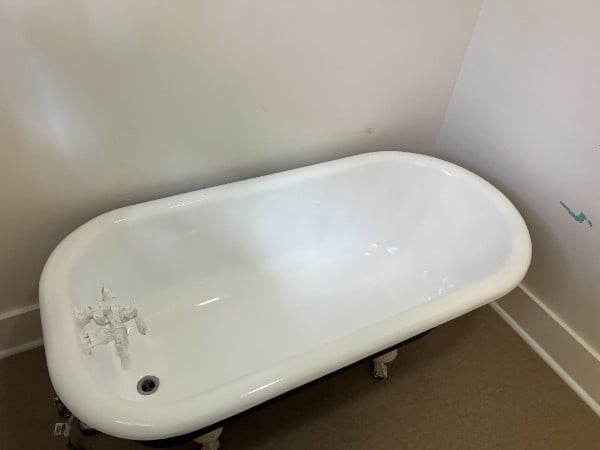
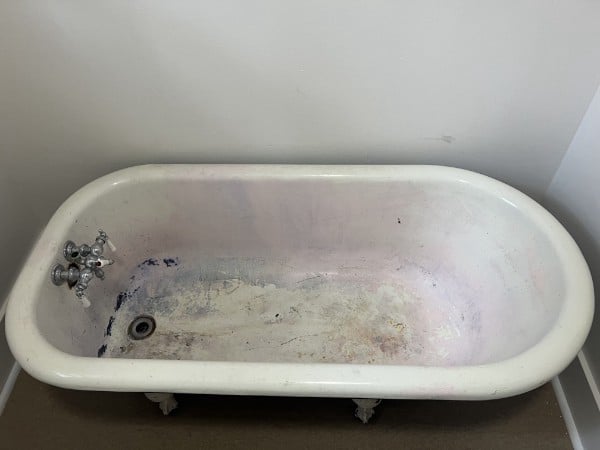
Before and After - No More Exposed Lead

Before Refinishing To Cover Old Lead Based Bathtub
After Refinishing To Cover Old Lead Based Bathtub

We Can Help With Your Old Lead Based Bathtub. Call Now.

FREE ESTIMATE. 100% ZERO-RISK SATISFACTION GUARANTEE.