Is It Cheaper To Resurface Or Replace A Bathtub in Portland, OR? 

Learn the Pros and Cons of Tub Refinishing vs Replacement in Portland, OR

Quick Summary: Replacing a bathtub costs more because it touches nearly every bathroom surface. Reglazing skips the plumbing work, tile removal, and flooring repairs that almost always follow. That's why the price gap between the two options is usually big.

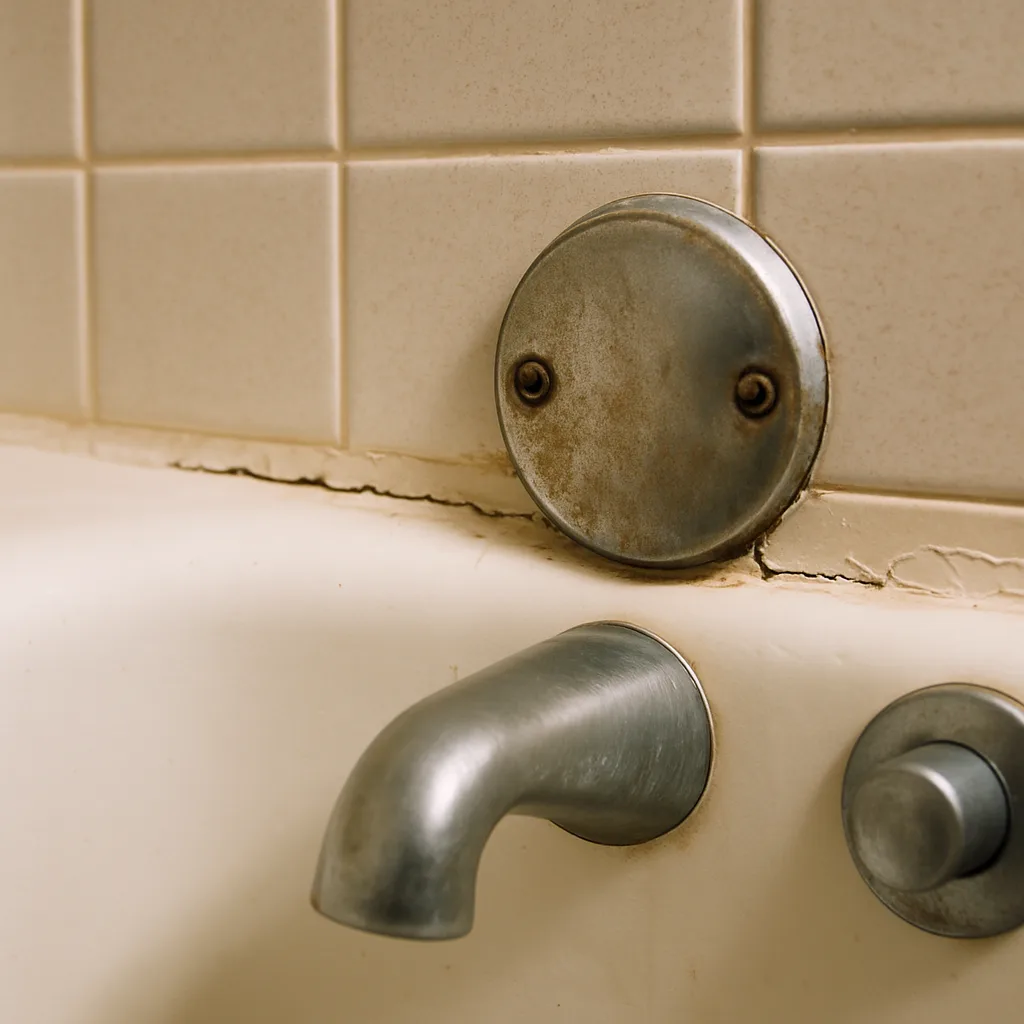
Close-up of bathtub tile seam showing plumbing untouched by tub reglazing in Portland

Why Reglazing Usually Costs Less: The Work That Gets Skipped

A worn tub seems like a small problem. But fixing it turns into a bigger job fast. We see this mistake all the time. A homeowner calls a plumber for a new tub, and the quote comes back way higher than expected. Why?

Pulling out an old tub isn't a one-step job, it's a chain reaction.

Here's what a full bathtub usually involves once the crew starts working:

  • Disconnect and cap the plumbing lines before the old tub can move.
  • Cut out surrounding tile or tub surround to free the tub from the wall.
  • Break down and haul away the old tub, which often means cutting it into pieces.
  • Repair or replace the subfloor underneath, since old tubs hide water damage.
  • Patch drywall and re-tile the walls around the new tub.
  • Reconnect plumbing and test for leaks before anyone can use it again.

Reglazing skips every single one of those steps. The tub stays right where it is. No plumber. No tile guy. No drywall patching. We show up, prep the surface, spray the new coating, and let it cure. That's it.

The cost gap isn't really about the tub itself. It's about everything around the tub that gets disturbed. And refinishing doesn't. A tile wall built in the 1970s can be brittle. Crack one piece trying to remove a tub, and now you're matching old tile that hasn't been made in decades - good luck with that.

Older Portland homes tend to have these tricky setups. Original tile, original plumbing, tight bathroom footprints. Work in these houses often uncovers surprises once the wall opens up. Reglazing never opens the wall, so there are no surprises to find. Honestly, that's a big plus for homeowners.

Labor time matters too. A refinishing job typically wraps up in a single day. Another project can stretch into a multi-day job with several different tradespeople coming and going. Every extra day is extra labor cost, and extra disruption to your only bathroom.

None of this means a full bathroom update is a bad choice. Sometimes it's the right one. If that's the direction you end up going, HUD's 203(k) loan program is worth knowing about — it lets homeowners roll structural repairs and remodeling costs like these into a single loan. We just want you to understand where the cost comes from before you decide.

We just want you to understand where the cost comes from before you decide. Curious how your specific tub would fare? Take a look at our bathtub refinishing page to see the process up close. Learn more about our bathtub refinishing here.
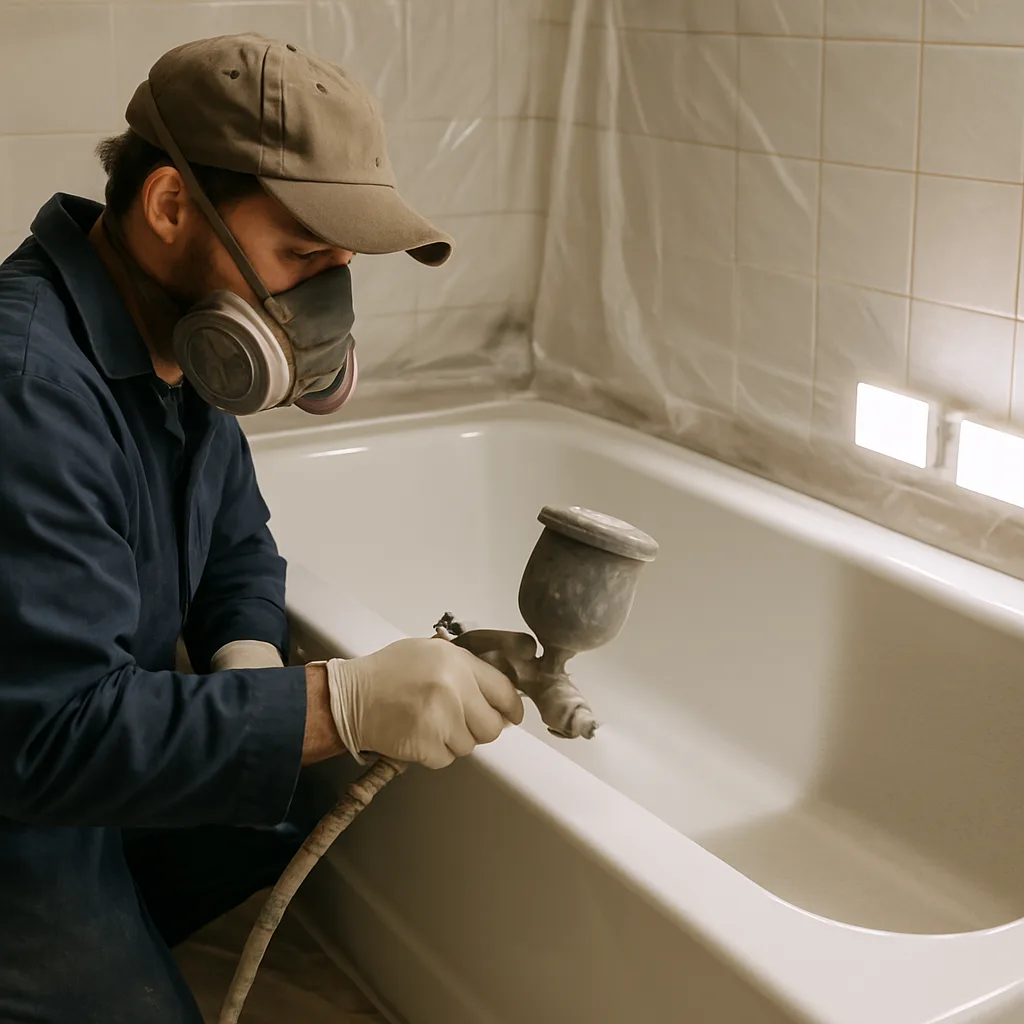
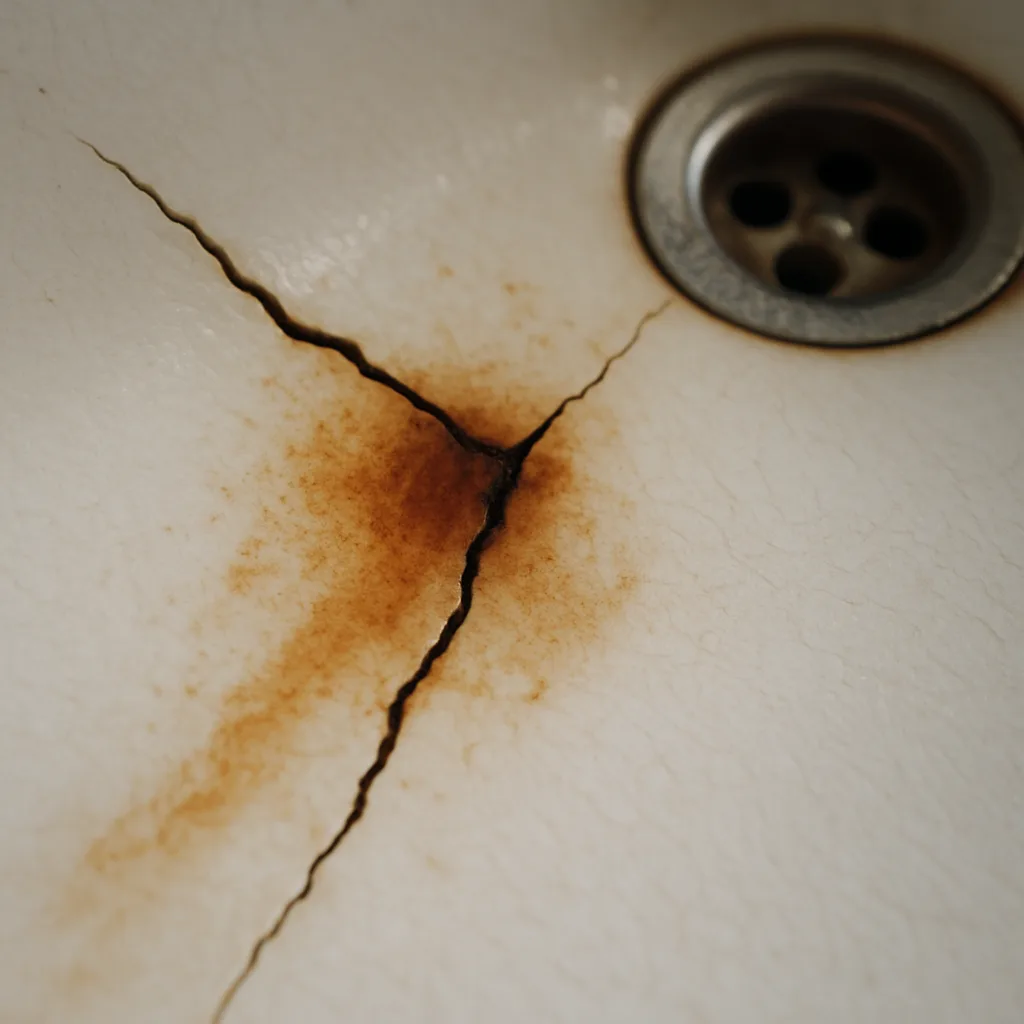
Worker reglazing bathtub surface with spray gun showing before and after finish

Three Tub Scenarios That Settle the Reglaze-or-Replace Question

Numbers only get you so far. Most homeowners want to know what other real tubs looked like before they decide. So here are three situations we run into all the time around Portland, plus what made sense for each one.

Scenario one: an older cast iron tub with surface stains, a dull finish, and a few small chips near the drain. The porcelain underneath was still solid, no soft spots, no rust bleeding through the subfloor. This is the classic refinishing case. We refinished it in a day, and the homeowner saved a full bathroom just to fix cosmetic wear.

Scenario two looked different from the start. A fiberglass tub had a crack running along the bottom, and water had been slipping through it for months. The subfloor underneath felt spongy when we pressed on it near the wall. That's a water damage situation, not a cosmetic one. In cases like this, repair of the damaged area has to happen before anything gets refinished on top.

Here's what to look for:

  • Soft or spongy flooring around the tub base.
  • Visible mold or discoloration on the ceiling below.
  • A crack that runs through the tub, not just the surface.
  • Rust that keeps coming back after cleaning.

If you're seeing any of those signs, don't just book a refinishing job and hope for the best. And don't assume the whole bathroom needs to come out either, sometimes it's one section.

Scenario three is the one we see most in older Portland homes with original bathrooms from decades back. The tub itself is fine structurally, but the color is outdated, the finish is worn thin, and the homeowner just wants it to look fresh again without messing with tile or plumbing. This is where a bathtub custom color matching or full refinish makes the most sense, budget-wise and time-wise.

Here's the honest truth: most tubs we inspect fall into scenario one or three. Structural failure is less common than people expect. But it does happen, and that's exactly why a real inspection matters more than a guess based on age or looks alone.

If your tub sounds like any of these, the fastest way to know for sure is to have it looked at in person. You can learn more about how the process works and what to expect on our main service page, and we'll walk you through it step by step.

Older Portland home exterior representing housing stock relevant to bathtub decisions

When Reglazing Isn't the Right Call

Reglazing works great most of the time. But it's not magic, and it can't fix everything. We've walked into homes in Portland where the homeowner really wanted to save their tub. And sometimes we have to tell them a new one makes more sense.

So how do you know which camp you fall into? Start by looking at the structure underneath the surface. If the tub itself is cracked all the way through, or if water has been leaking behind it for months, refinishing just puts a nice finish over a problem that's still growing.

It may be time to replace when:

  • The tub has structural cracks that go through the base, not just surface chips.
  • You see soft, spongy flooring around the tub, a sign of water damage underneath.
  • The tub is old cast iron with rust that's eaten through in multiple spots. Although we have repaired some really rusty bathtubs.
  • You want to change the tub's size, shape, or add a walk-in door.
  • You are planning to remodel your entire bathroom anyway.

If there's water damage behind the wall, that's a separate issue entirely, one we can often handle with drywall repair or water damage repair before any surface work even starts.

Here's a real example. We had a customer in Happy Valley with a tub that looked rough, mostly stains and a couple chips. Turned out it was a straightforward fix, rust and stain removal plus a full refinish, and it looked brand new again. Compare that to another job in Tigard where the tub had a hairline crack running through the base. That one needed porcelain repair first, then refinishing on top, otherwise the crack would've shown right through the new coat within months.

Fiberglass tubs bring their own quirks too. A hole or a deep crack in fiberglass usually calls for fiberglass tub repair before refinishing can even happen. Skipping that step is a mistake we see all the time, it never ends well.

One more thing: if you're set on a walk-in bathtub conversion for accessibility reasons, that's a different project altogether, not a refinishing job.

None of this means you're stuck guessing. The easiest way to know for sure is to have someone look at your tub in person. We're happy to help.

Frequently Asked Questions

Common questions about Reglazing vs. Replacing a Bathtub: Which Is Cheaper in Portland OR?

Your tub is a good candidate if the surface is worn, stained, or chipped but the base underneath is solid. Look for cosmetic damage only, no soft floors or deep cracks. Most older Portland tubs fall into this group. If the structure feels sound when you press near the drain and walls, reglazing usually saves you time and hassle. Check our bathtub refinishing page to see if your tub matches this pattern.

The biggest mistake is assuming age alone means a tub needs replacing. A tub can look old and still be structurally fine underneath. Many Portland homeowners call for a full replacement, then learn the surface damage was only cosmetic. That extra plumbing and tile work could have been skipped. A real inspection tells you more than guessing based on how the tub looks or how old the house is.

Older Portland homes often have original tile and tight bathroom layouts that make replacement harder. Tile from decades ago can crack easily and is tough to match once it's broken. Reglazing avoids touching the walls at all, so there's no risk of damaging brittle tile you can't replace. This is one reason reglazing works well for many homes built years ago in this area.

Call a professional as soon as you notice soft flooring, mold near the tub, or a crack running through the base. These signs point to water damage hiding behind the surface. A homeowner can spot warning signs, but only a trained inspection confirms what's happening underneath. Waiting too long can turn a simple job into a bigger repair, so it pays to get it checked early.

Reglazing usually finishes in a single day, while replacement often stretches across several days. Replacement involves plumbers, tile work, and drying time between steps. Reglazing skips all of that since the tub never leaves the room. For most Portland homeowners with only one bathroom, that shorter timeline makes a real difference in daily life during the project.

A tub with a surface chip can usually be reglazed, but a crack running through the base cannot. Surface damage sits on top of the tub, while a structural crack means water is likely getting through. Reglazing over a real crack just hides a problem that keeps growing underneath. If you're unsure which type of damage you have, an in-person look is the only way to know for sure.

The average cost to resurface a bathtub in Portland, OR ranges from $500 to $2,000, with most homeowners spending around $800. The cost can vary depending on factors such as the size, material, and condition of the tub. Fiberglass tub repairs, for example, are often cheaper to refinish than cast iron or porcelain tubs.

Remodeling a bathroom is a more extensive project and can cost anywhere from $2,500 to $30,000, depending on the size of the bathroom and the quality of materials used. On average, homeowners spend around $11,533 on a complete bathroom remodel. This includes replacing fixtures, flooring, and possibly even moving plumbing.

Replacing a bathtub can be a more expensive option, with costs ranging from $3,000 to $7,000. The wide range comes down to factors like the type of tub, the complexity of the installation, and whether any plumbing modifications are needed. On average, homeowners spend around $5,000 on a bathtub replacement, or roughly 10 times the average cost to refinish a tub.

Refinishing your bathtub can be a cost-effective way to give it a fresh, new look. A few benefits worth knowing:

Cost Savings: Refinishing is significantly cheaper than replacing the entire tub.
Quick Process: The refinishing process usually takes just a few hours, and the tub can be used again within 48 hours.
Longevity: A well-refinished tub can typically last 10 to 20 years with proper care, depending on the quality of the coating, the technician's skill, and how well the surface is maintained afterward.
Eco-Friendly: Refinishing uses fewer resources and generates less waste compared to replacing the tub. You can even preserve a beautiful clawfoot tub this way instead of sending it to the landfill.

While remodeling a bathroom is more expensive and time-consuming, it offers several advantages:

Increased Home Value: A bathroom remodel can significantly increase the resale value of your home.
Customization: You have the freedom to design your bathroom exactly how you want it, from the layout to the fixtures and finishes.
Improved Functionality: Remodeling allows you to update outdated plumbing, add more storage, and improve overall functionality.
Aesthetic Upgrade: A remodel can transform your bathroom into a modern, stylish space that reflects your personal taste.

A bathroom remodel, when done well, can last for decades. The longevity depends on the quality of materials and workmanship. High-quality fixtures and finishes can last 20 years or more, while lower-quality materials may need to be replaced sooner.

Decided To Refinish Instead Of Replace? You Can Trust Renew-It Refinishing - Portland's Favorite.

FREE ESTIMATE. 100% ZERO-RISK SATISFACTION GUARANTEE.