Bathtubs are a major investment, so it's important to take care of them. But even with regular care, bathtubs can start to look worn and faded over time. If your bathtub is starting to show its age, you may be wondering if it's worth it to refinish it.
Quick Summary: Professional bathtub refinishing involves cleaning, repairing, and re-coating your tub's surface so it looks new again. The whole job usually takes one day, and a good crew will walk you through each step before they start.
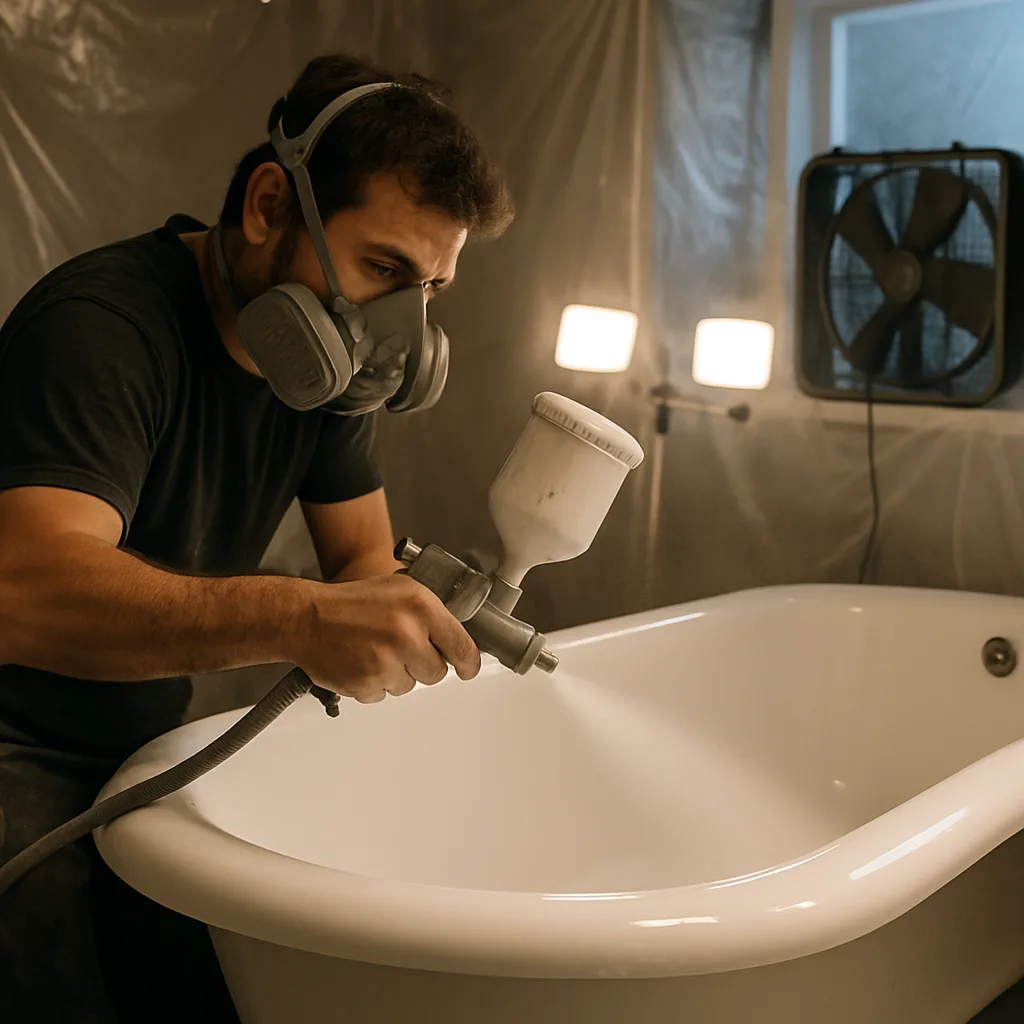
A lot of homeowners picture refinishing as just spraying paint on an old tub. It's not that simple, and honestly, that's a good thing. Real refinishing work follows a specific order. Skipping steps is how you end up with peeling or bubbling a year later. We've seen it happen. Let's walk through what should take place when a pro shows up at your Portland home.
That curing step trips people up the most. Some companies rush it, and that's where problems start. We always tell clients not to touch the tub until it's fully ready, even if it looks dry. A tub that's used too soon can develop soft spots or a dull finish within weeks.
Here's a scenario we run into a lot. A homeowner near downtown Portland had a tub refinished years back by someone who skipped the sanding step. The coating looked fine for about two months. Then it started flaking near the drain. When it's done right the first time, you won't deal with that headache at all.
If you're weighing whether refinishing makes sense for your bathroom, it helps to see the full picture on our bathtub refinishing page, where we break down what the process looks like from start to finish and how long it typically lasts.
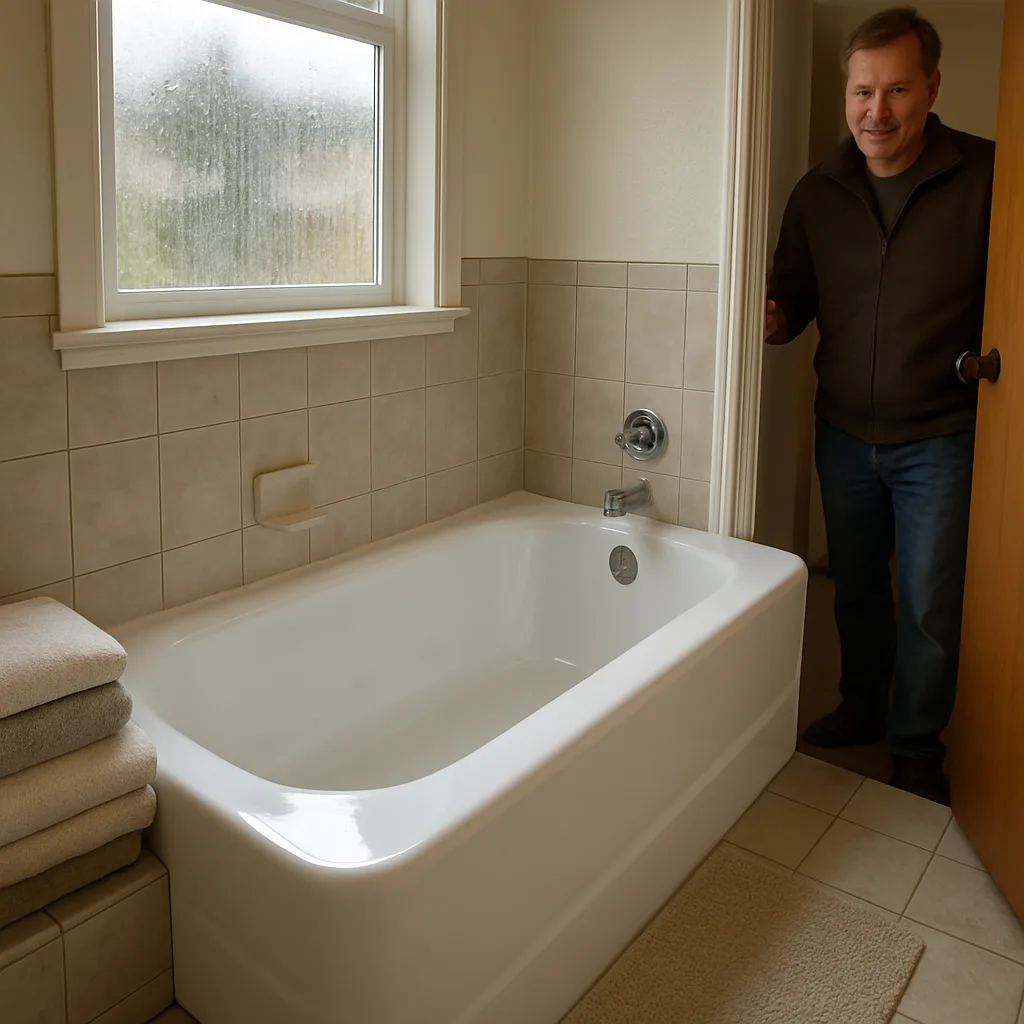
We've refinished tubs in houses all over the Portland area, and the reaction is almost always the same. People walk in expecting a mess. They walk out asking why they waited so long. Refinishing works because it fixes the surface, not the whole tub. The porcelain or fiberglass underneath is usually fine. It's the top layer that's worn out, stained, or chipped.
So what does refinishing get you? A few things stand out every time.
One homeowner near downtown Portland had a 1960s cast iron tub with rust stains around the drain. She thought she'd need a big project. We refinished it in a day, and the rust was gone for good. That's the kind of result that makes this option worth a real look.
There's also a cost angle here, though we won't get into numbers in this article. Refinishing a tub instead of ripping it out saves you from new plumbing work, new tile, and new flooring repairs. It's one job, done in your bathroom, with no need to tear the room apart.
And here's something people don't expect: refinishing can also solve safety issues. Slippery old tub bottoms are a real fall risk, especially for older homeowners — CDC's fall prevention resources point to home safety modifications like this as one of the most effective ways to reduce that risk. Adding an anti-slip treatment during the refinishing process handles that problem at the same time you fix the look.
If your tub has seen better days but the tub itself is solid, refinishing is almost always the smarter first move.
If you want a closer look at how the process works from start to finish, our main bathtub refinishing page walks through every step we use to get tubs looking new again.
We stand behind every job with a 100% Satisfaction Guarantee, and we always start with a free estimate so you know exactly what you're working with before anything begins.
Let's be straight with you. Reglazing isn't magic. And it isn't right for every tub. We've seen homeowners in Portland get frustrated because nobody told them the full picture before they hired someone. So here's the honest part, the stuff a good contractor should tell you upfront.
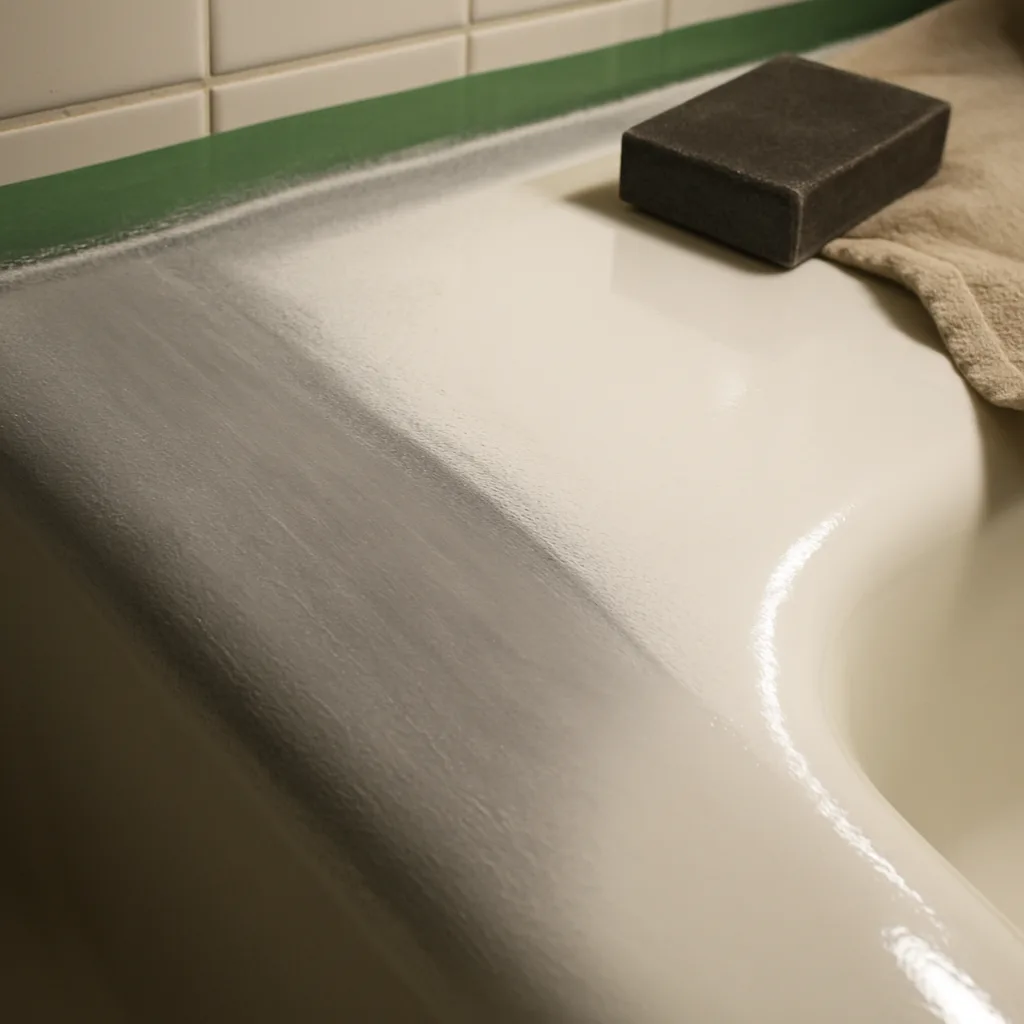
The biggest risk is prep work. If a tub isn't cleaned and sanded the right way, the new coating won't stick. It'll peel within months, sometimes weeks. We've walked into homes where a rushed job left bubbles and rough patches right where the water sits the most.
And here's something most people don't think about until it's too late: not every material takes coating the same way. Fiberglass tubs need different prep than old cast iron ones. Skip that step, and the coating fails fast. We check the surface type before we even talk about the process, because guessing here just isn't worth it.
There's also a lifespan conversation worth having. A properly done reglazing job can hold up for years, but it's not permanent like a new bathtub. Think of it as buying yourself real time and real savings, not a forever fix. That's a fair trade for most homeowners, but you should walk in knowing it.
One more thing. Some tubs are past the point where reglazing makes sense at all.
If the porcelain has deep rust-through spots or the tub flexes when you step in, coating over that won't solve the real problem. A good contractor will tell you that instead of taking your money for a job that won't hold. We'd rather walk you through what's going on with your tub than promise something we can't back up.
This is exactly why we offer a free estimate before any work starts. We look at your tub in person, tell you if reglazing is the right move, and stand behind the work with our 100% Satisfaction Guarantee. If you want a straight answer instead of a guess, call us today.
You can buy a DIY kit, but most homeowners end up disappointed with the results. DIY coatings often skip proper sanding and bonding steps, so the finish peels within months. A professional uses stronger bonding agents and knows how long each layer needs to cure. If you want a smooth finish that lasts, hiring a pro saves you from redoing the job twice. Our bathtub refinishing page walks through what a proper job includes, so you know what to expect.
The biggest misconception is that refinishing is just spraying paint over an old tub. Real refinishing involves cleaning, sanding, repairing chips, and applying a bonding agent before any coating goes on. Skipping steps is why some tubs peel or bubble within weeks. When it's done right, the finish looks and feels like a brand-new surface, not a quick paint job. Knowing the real process helps you spot a rushed job before it becomes a problem in your bathroom.
Yes, humidity plays a real role in how well the coating cures. Portland's damp winters can slow down the curing process, so a tub may need extra time before it's safe to use. Good ventilation during the job also matters more here, since fumes and moisture linger longer in an enclosed bathroom. A contractor who understands local conditions will adjust drying time instead of rushing the job just to finish faster.
Your tub is a good candidate if the base structure is solid but the surface looks worn, stained, or chipped. Rust spots, dull color, and small cracks are usually fixable with refinishing. But deep structural cracks or major porcelain damage underneath the surface need replacement, not a coating. A quick inspection can tell you which category your tub falls into before you decide on next steps.
Most tubs need at least 24 hours before they're safe to use, and sometimes longer depending on humidity. Using the tub too soon can cause soft spots or a dull finish within weeks. We've seen homeowners near downtown Portland run into this problem when a rushed job skipped proper curing time. Waiting the full amount of time protects the coating and keeps your new surface looking good for years.
Yes, fiberglass and cast iron tubs each need different prep work before coating goes on. Skipping the right prep for your specific material is one of the main reasons coatings fail early. A professional checks the surface type first, then adjusts sanding and bonding steps to match. This small detail makes a big difference in how long your refinished tub holds up over time.
FREE ESTIMATE. 100% ZERO-RISK SATISFACTION GUARANTEE.